The all-Ukrainian news portal Informator Ukraine has prepared a publication about the informal results of 2025, about the events and people that shaped the new reality..
The past year will go down in history not only as another year of war. It was the year when it became finally clear that the country is not held together by slogans or abstract institutions – it is held together by concrete people. People who acted in hospitals and stadiums, in workshops and galleries, in the rear and deep behind enemy lines.
These cases were not always high-profile in form. Often, they were loud in terms of their results. Some saved hearts, some destroyed Russian strategic aviation, some built football academies and underground hospitals, some turned culture into a weapon, and sports into a language in which Ukraine speaks to the world.
These high-profile cases are different in form, but the same in essence: they changed reality. And that is why every Ukrainian remembers the names of their authors.
Borys Todurov: medicine that has no right to pause
Boris Todurov is a name that has long been synonymous with Ukrainian cardiac surgery. But in the past year, his activities have gone far beyond professional medicine.
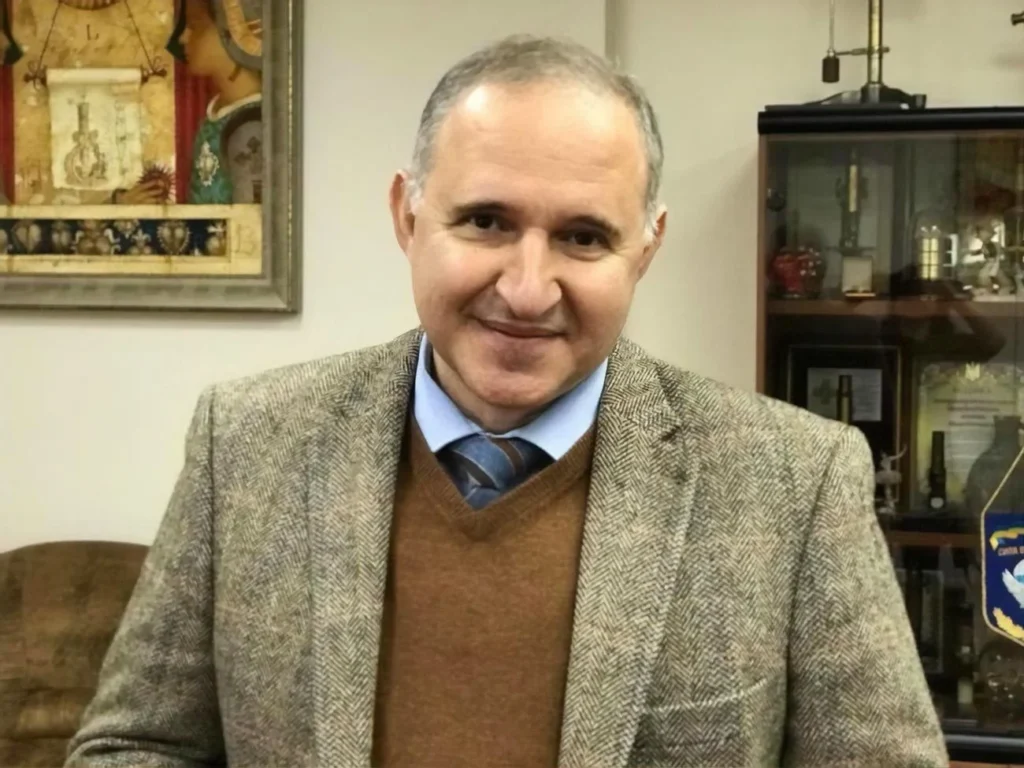
The first surgeon in Ukraine to perform a heart transplant, the founder of the school of transplantology, Todurov continued the work of the Heart Institute in the face of a full-scale war. He has over 40 years of experience and thousands of lives saved. In 2025, he remained a key leader in the development of transplantation in Ukraine, implementing world standards of surgical treatment even in the most difficult conditions of war. His team not only saves patients, but also maintains a system that could have broken down under the pressure of war, shortages and overload.
Borys Todurov is an example of how the silence of the operating room can be no less loud than explosions. His case is about the survival of the country in the heart of the matter.
Rinat Akhmetov: big losses mean big commitments
For Rinat Akhmetov, 2025 was one of the most challenging years of his business career. The loss of his Mariupol assets, the energy sector’s collapse, and his fortune have all become a reality.
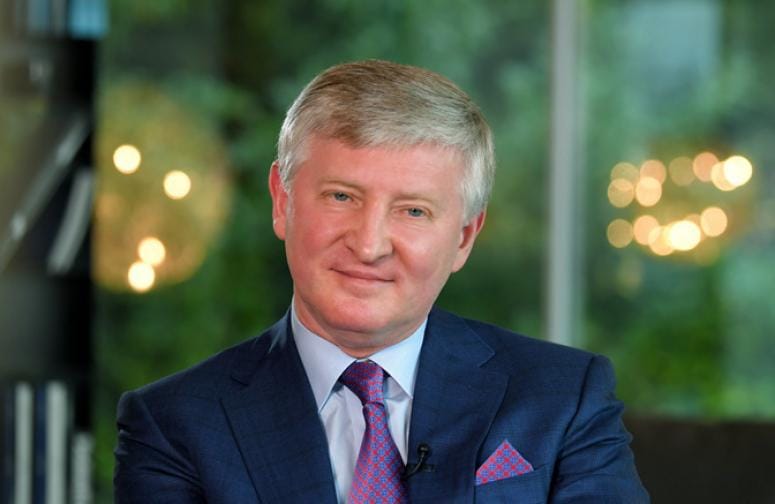
At the same time, Akhmetov remains a figure who systematically invests in the survival of the state. Underground hospitals of NATO Role 2 standard, the Heart of Azovstal project, hundreds of millions of hryvnias to help the military and families of defenders are not one-time actions, but a long-term strategy.
Football is a separate dimension. “Even in exile, Shakhtar retains the status of a brand that represents Ukraine in Europe.
Rinat Akhmetov is an example of abig business that has stopped counting only profits and started counting responsibility.
Hryhorii Kozlovskyy: football as an investment in the future
The story of Hryhoriy Kozlovskyy is a story of long and stubborn construction. Not of a club, but of an ecosystem.
FC Rukh and the Rukh Academy under the leadership of Hryhoriy Kozlovskyy have become a unique phenomenon for Ukraine: full digitalization of training, social mission, work with children from all over the country, including IDPs.
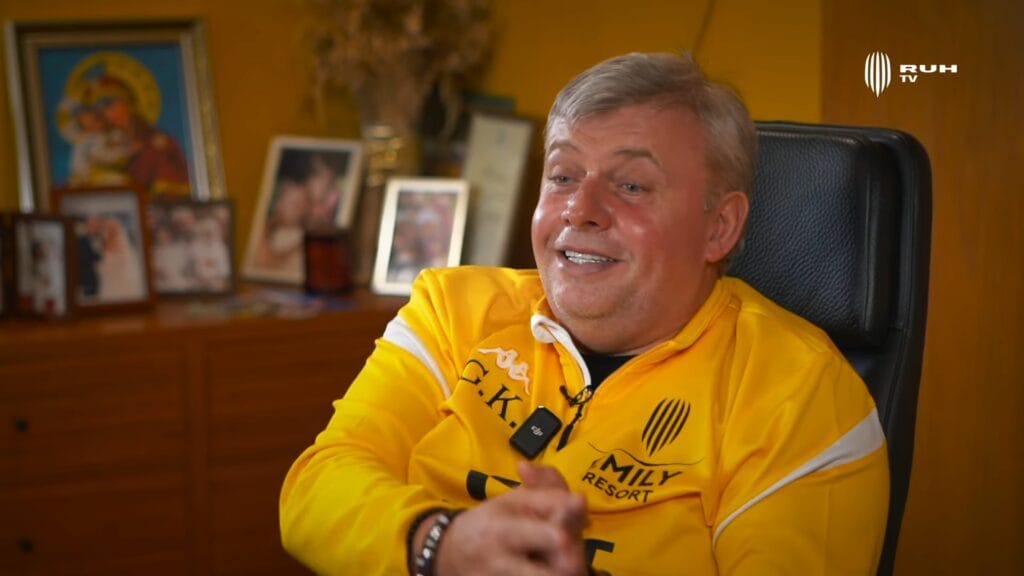
FC Rukh is the youngest team among professional leagues, and this is not a risk, but a philosophy. It is not just players who are educated here, but people.
At the same time, Hryhoriy Kozlovskyy became one of the most systematic patrons of the Armed Forces of Ukraine: more than UAH 100 million in aid, drones, equipment, support for artillery brigades, and rehabilitation of the military.
Hryhoriy Kozlovskyy is an example of how football, charity and responsibility can work as a single mechanism. His high-profile case is football as a form of national security and social policy.
Vasyl Malyuk: Special Operation as an Art of War
Operation Web, which was prepared and implemented by Vasyl Malyuk, became one of the most high-profile stories of the year. The defeat of Russian strategic aviation in the deep rear is, without exaggeration, a historic moment.
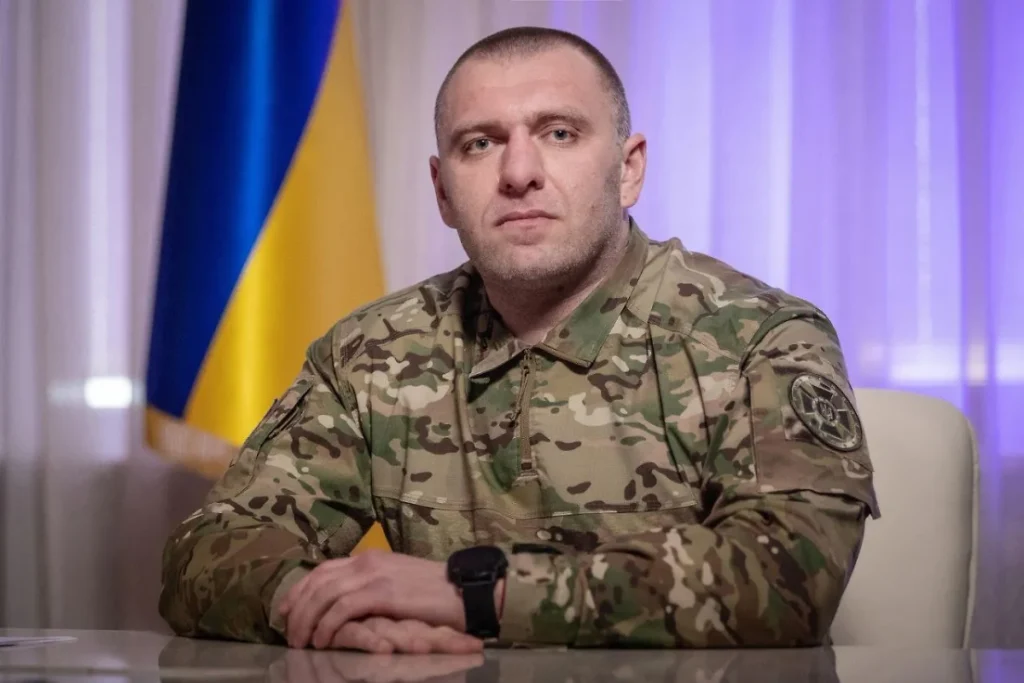
More than a year and a half of preparation, sophisticated logistics, hundreds of drones, camouflage, and synchronization made the operation a symbol of a new level of Ukrainian intelligence.
Even after his dismissal, Vasyl Malyuk remains a figure who embodies the new school of Ukrainian special services – precise, technological, and asymmetrical.
It was not just a special operation. It was a signal that the enemy no longer had a safe rear.
Alexander Svishchov: synthesis of sports, culture and economy
Alexander Svishchov is one of the most multidimensional figures of the year and the most vivid example of multidimensional philanthropy. President of the Water Polo Federation, businessman, philanthropist, investor.
He invests in the economy – the opening of one of the largest fish processing plants in the country has created hundreds of jobs and tens of millions in taxes.
Oleksandr Svishchov develops sports – water polo, tennis, children’s schools, complexes, federations.
He preserves culture – films, books, museums, historical projects.
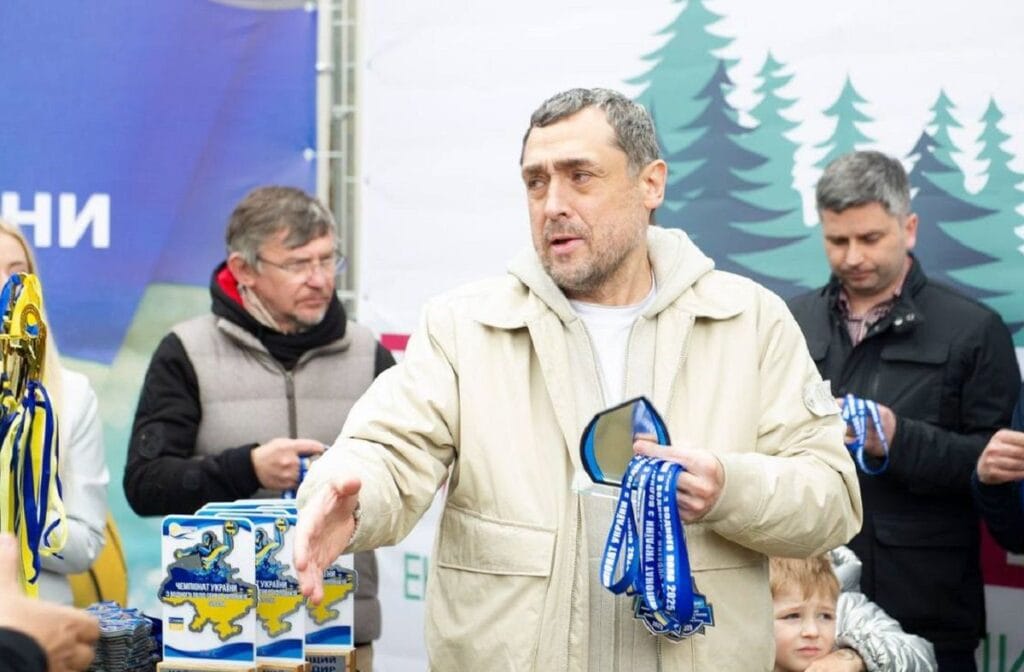
Mr. Svishchov has received a number of awards from the Armed Forces of Ukraine, including awards from the 125th and 103rd TRO Brigades for his significant assistance to the military.
Oleksandr Svishchov is a model of a modern Ukrainian philanthropist who thinks systematically and for decades to come. He is an example of institutional thinking where sports, culture, and the economy do not compete but reinforce each other.
Kyrylo Budanov: From the Shadow of Intelligence to the Center of Political Power
For Kyrylo Budanov, 2025 was a period of high growth. Under his leadership, the DIU conducted a brilliant operation in Pokrovsk, where the general personally participated in the landing of troops to create a security corridor.
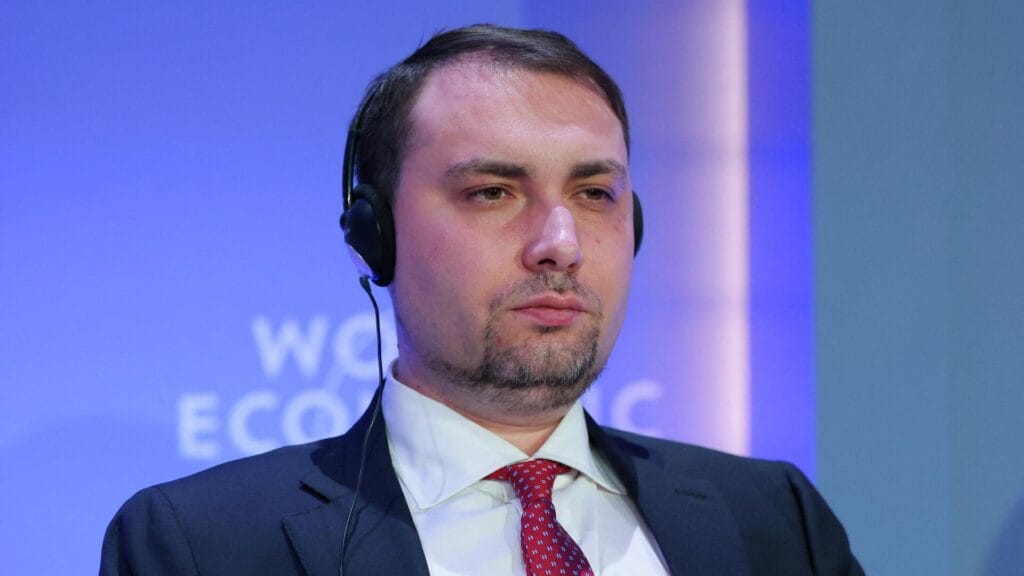
In addition to his combat successes, Kyrylo Budanov became the main “information shield” by neutralizing Russian ISR before the West 2025 exercise.
His appointment in early 2026 as head of the Presidential Office was a logical recognition of his influence.
Now, the lieutenant general, who used to destroy enemy fleets with Magura V drones, has moved on to big diplomacy, representing Ukraine in talks in the United States and the United Arab Emirates.
Kirill Budanov’s high-profile case is a transformation. His main achievement is not a single operation.
His high-profile case is to transform military intelligence from a shadowy structure into an active player in war, diplomacy, and politics.
Oleksandr Usyk: the absolute champion of the fighting country
Oleksandr Usyk’s victory in the rematch with Daniel Dubois at Wembley made him the absolute world heavyweight champion. But for Ukrainians, this fight meant much more than a sports title.
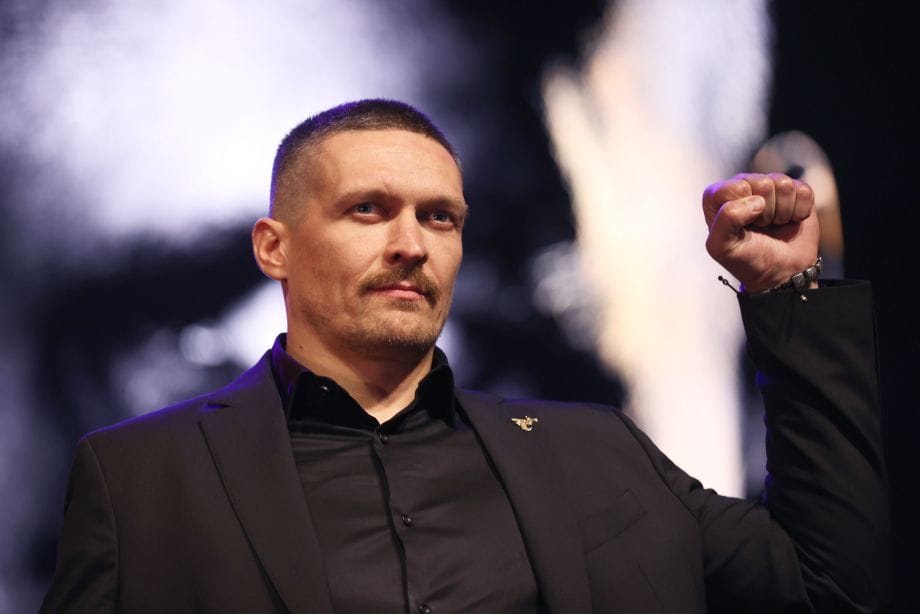
Usyk is a symbol of endurance. His entry into the ring with Ukrainian messages, his public positions, his discipline and faith have turned sport into a tool of international communication.
He is not just a boxer. Oleksandr Usyk is a metaphor for Ukraine, which stands against a much stronger enemy and does not give up.
Artem Pivovarov: mass culture without betrayal of content
The year 2025 was a peak year for singer and songwriter Artem Pivovarov. Seven Sports Palaces in ten days, tens of thousands of viewers, the title of Honored Artist of Ukraine, records and awards.
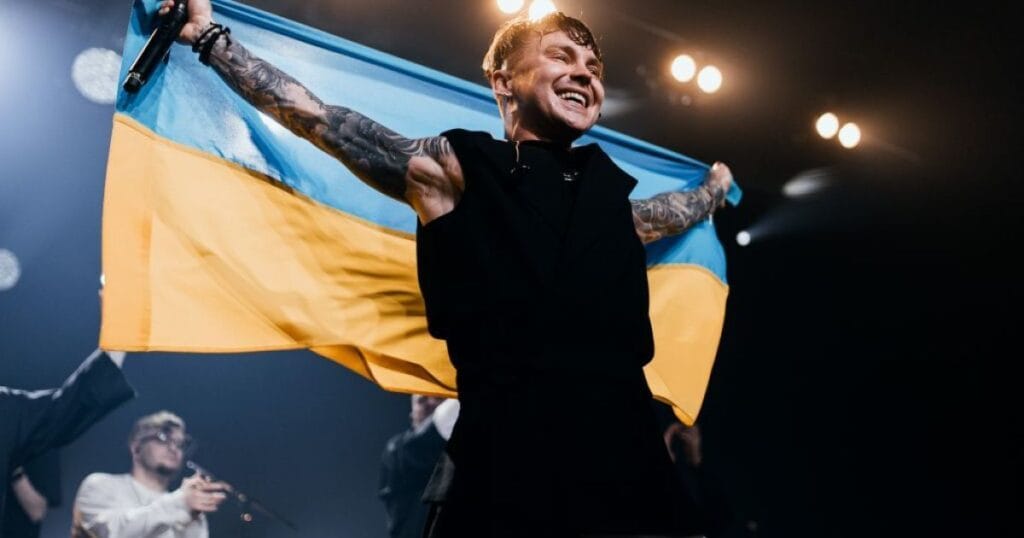
But the main thing is that his music is no longer just entertainment. It works with identity, language, history.
Artem Pivovarov proved that mass culture can be deep and responsible.
Nikita Kadan: Ukrainian art in the global spotlight
The artist Nikita Kadan was included in the prestigious Power 100 world ranking. In 2025, his art continued to reflect on the theme of war and memory, drawing the attention of the international community to Ukraine not only through the prism of tragedy, but also through a deep intellectual context. Nikita Kadan’s inclusion in the ArtReview Power 100 is a breakthrough for the entire Ukrainian art scene.
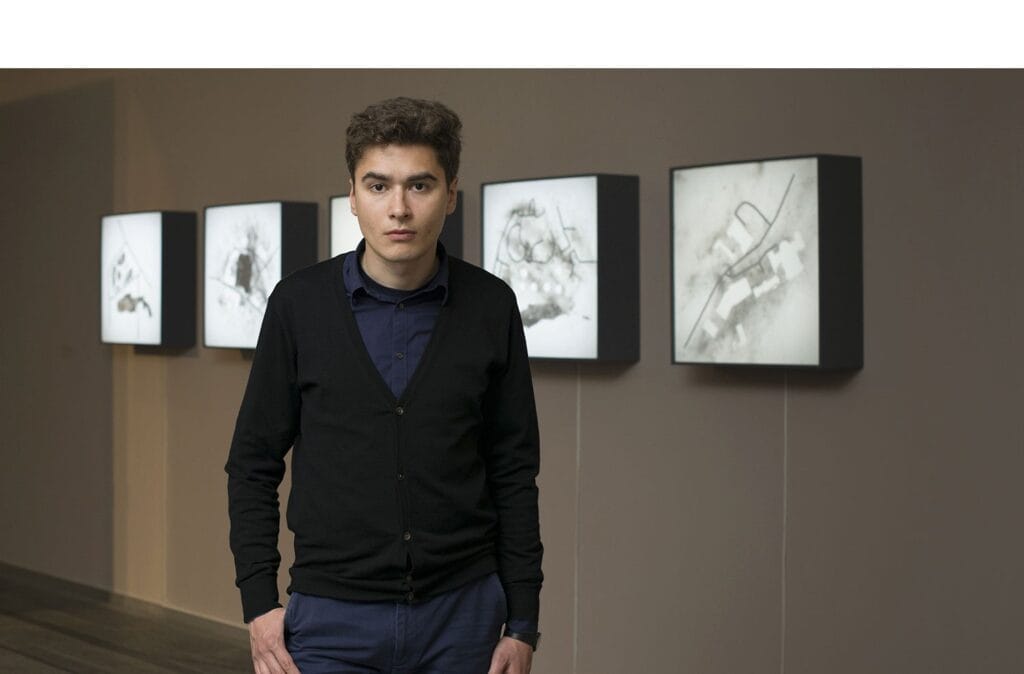
His works are complex, sometimes uncomfortable, and devoid of aestheticization of war. He works with memory, trauma, and history – honestly and without compromise.
Nikita Kadan is an example of how Ukrainian art has become a full-fledged participant in the global conversation.
Victoria Amelina: a word that outlived the author
The posthumous recognition of Victoria Amelina with the George Orwell Prize is not just a literary event. It is an ethical gesture to the world.
Her book Looking at Women Who Look at War became a document of the era – between a diary, a testimony, and an indictment. Amelina did not write from safety – she recorded crimes in the de-occupied territories.
Victoria Amelina died recording the truth. And that is why her word has become part of the global conversation about Ukraine.
Its high-profile case – is a culture that does not hide from the war, but looks it straight in the eye.
Not heroes, but architects of the future
These high-profile cases are not about fame. They are about choice. They are about the decision to stay, to act, to build, to take risks, and to take responsibility. These are the decisions that make up Ukraine, which has survived and continues to fight.
These people are different. They have different biographies, temperaments, and scales of influence. But they have one thing in common:
- Hryhoriy Kozlovskyy and Rinat Akhmetovhave shown that football can be an instrument of national resilience and help for the Armed Forces.
- Alexander Svishchov and Nikita Kadan proved that culture is not a luxury but the foundation of identity. They hold the spiritual front. Svishchov saves history through patronage in museums, while Kadan conceptualizes the tragedy of war for global galleries.
- Kyrylo Budanovand Vasyl Malyuk personify the power of the special services: from airborne operations in Pokrovsk and diplomatic missions in the United States to the internal cleansing of the country from enemy agents. They are a new generation of power thinking: asymmetry, technology, initiative.
- Rinat Akhmetov and Boris Todurov ensure the survival of the nation – one through the large-scale construction of underground hospitals and support for the Steel Front, the other through unique heart surgery and the development of transplantation in times of war.
- Hryhoriy Kozlovskyy, Oleksandr Usyk, and Oleksandr Svishchov have made sports the language that Ukraine uses to speak to the world. They promote Ukraine on the world stage. Usyk – with boxing titles, Kozlovskyy – by training young football players at the Rukh Academy, Svishchov – by developing water polo and supporting veterans.
- Victoria Amelina and Artem Pivovarov gave the country a voice – different in form, but unified in content. Amelina was working for the future, for the moment when the world would be looking for the truth about this war. Pyvovarov is working for the present, for the country to endure psychologically, emotionally, and culturally.
Their high-profile cases prove it: Ukraine today is not held together by abstractions, but by concrete people. The future of the country is made up of such different but consonant stories. And each of these high-profile cases in 2025 is a brick in the foundation of Ukraine’s future victory and recovery.